Al Reem Island
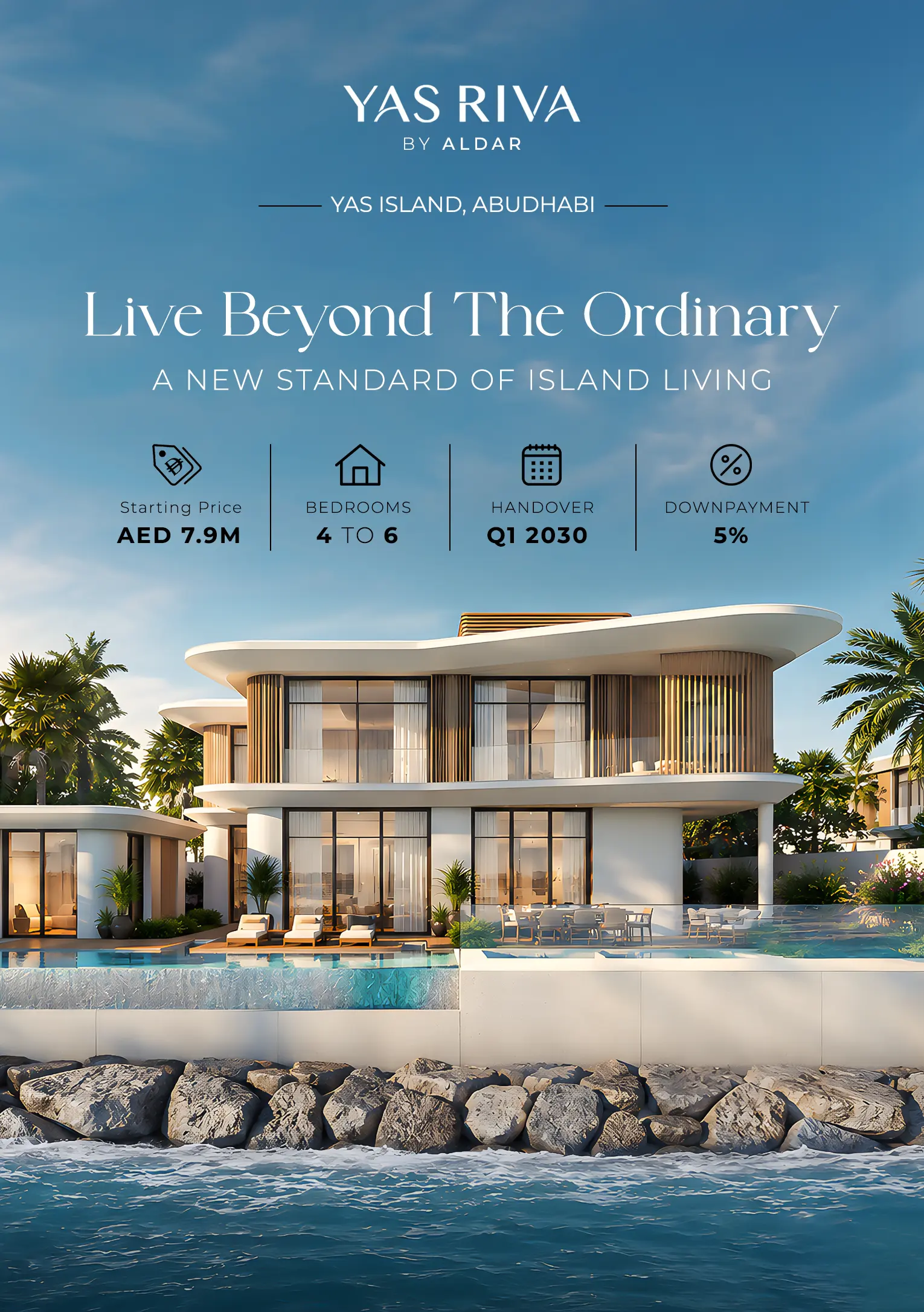
Yas Island
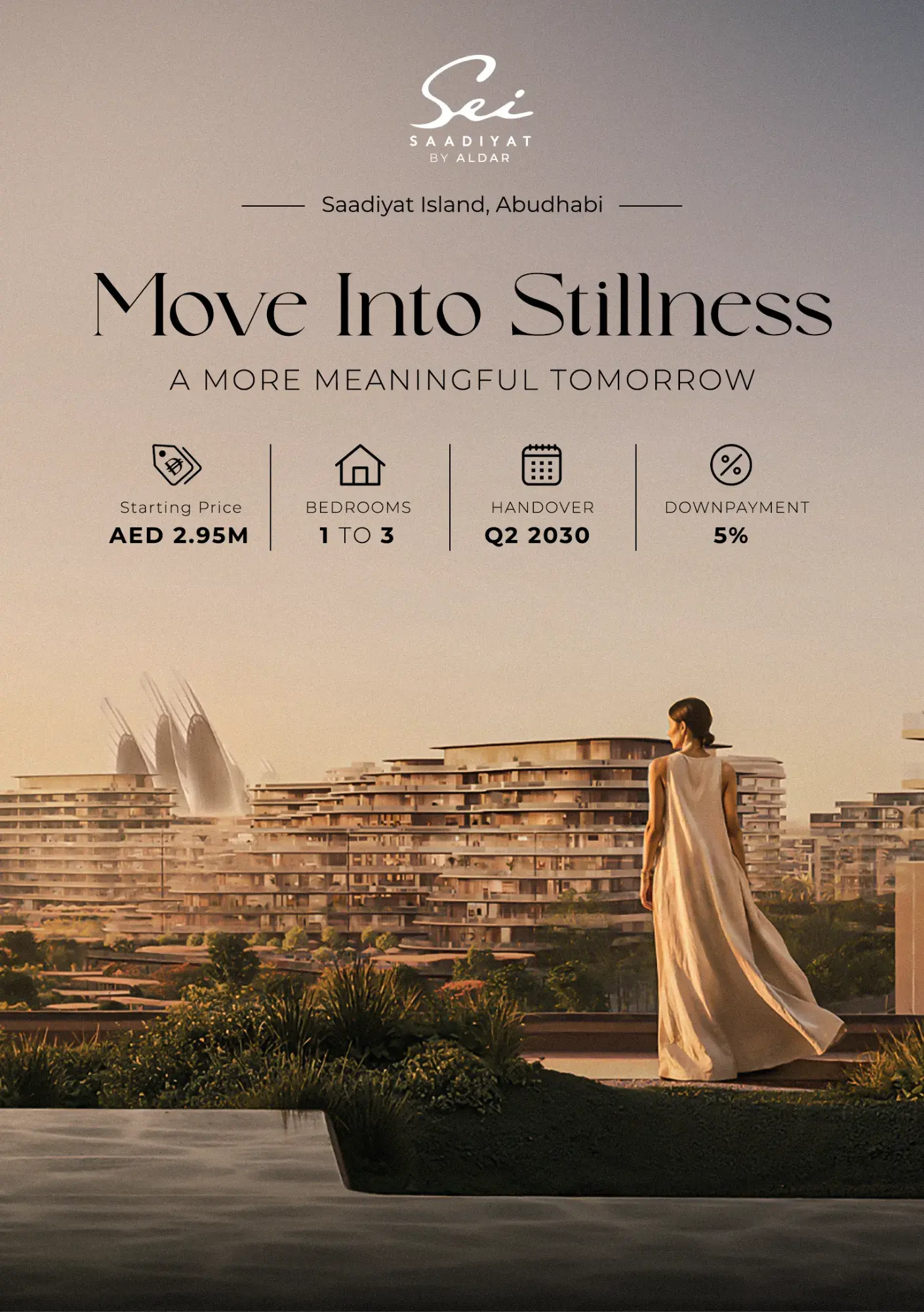
Saadiyat Island
Al Raha Beach
Masdar City
Hudayriyat Island
Zayed City
Al Shamkha
Al Jurf
Al Maryah Island
Al Jubail Island
Jumeirah Village Circle (JVC)
Dubai Land Residence
Dubai Islands
Business Bay
Al Furjan
Dubai South
Arjan
Dubai Hills
Jumeirah Village Triangle
Town Square
Meydan City
Al Marjan Island
Mina Al Arab
Al Hamra Village
Hayat Islands
Raha Island
Al Jazeera
Al Wadi desert
Ras Al Khaimah
Al Arqoub
Al Hamra Waterfront
Properties for Sale in Dubai
Monday, 05 February, 2024
Introduction
The UAE property market has long attracted global investors, with Dubai and Abu Dhabi leading the way. While Dubai often dominates headlines, Abu Dhabi is emerging as a stable, lucrative real estate market. Understanding the differences between the two cities can help investors make informed decisions about property investments in the UAE.
Abu Dhabi: Known for its stability, Abu Dhabi offers steady capital appreciation, lower volatility, and long-term growth. Government-backed initiatives and careful urban planning make it a secure choice for conservative investors.
Dubai: Dubai’s market is highly dynamic, with rapid capital appreciation and high transaction volumes. While it offers potentially higher short-term returns, the market can experience fluctuations due to global economic conditions.
Abu Dhabi: Property prices in Abu Dhabi are generally slightly lower than Dubai, especially for luxury villas and apartments. This creates opportunities for long-term value growth with relatively lower upfront investment.
Dubai: Dubai is considered one of the most expensive real estate markets in the Middle East, especially in prime areas like Palm Jumeirah, Downtown Dubai, and Dubai Marina.
Abu Dhabi: Rental yields typically range from 6%–7%, providing stable returns for landlords. Popular areas include Yas Island, Saadiyat Island, Reem Island, and Al Raha Beach.
Dubai: Dubai offers slightly higher rental yields averaging 6%–8%, driven by strong demand from expatriates and investors, particularly in high-density urban areas.
Abu Dhabi: Focuses on quality of life, with gated communities, waterfront developments, and eco-friendly projects such as Masdar City and Saadiyat Grove. Ideal for families and long-term residents.
Dubai: Offers a fast-paced lifestyle with luxury amenities, nightlife, and tourism-driven infrastructure, attracting investors and tenants looking for urban vibrancy.
Abu Dhabi: Best suited for investors seeking stability, long-term growth, and sustainable communities. Villas and waterfront properties offer solid appreciation potential.
Dubai: Appeals to investors targeting high short-term returns, off-plan projects, and luxury apartments in high-demand urban areas.
Both Abu Dhabi and Dubai offer unique advantages for real estate investors:
Abu Dhabi provides stability, lower entry costs, and long-term growth.
Dubai offers high capital appreciation, dynamic market opportunities, and premium rental yields.
Investors should consider their risk appetite, investment horizon, and lifestyle preferences when choosing between the two markets. A balanced portfolio including properties in both cities can also maximize returns and diversify risk.
Tuesday, 13 February, 2024
The UAE real estate market is booming, offering diverse investment options from luxury villas to modern apartments. Whether you are a first-time investor or a seasoned buyer, understanding the advantages of each property type is crucial to making the right investment decision. This guide explores the pros, cons, and potential returns of investing in villas versus apartments in the UAE.
Spacious layouts with private gardens, pools, and multiple bedrooms.
Prime locations in gated communities and waterfront developments.
High-end finishes and exclusive amenities.
Higher Rental Yields: Luxury villas in areas like Palm Jumeirah, Saadiyat Island, and Yas Island often deliver attractive rental income.
Privacy & Lifestyle: Villas offer more space, privacy, and a premium lifestyle experience.
Capital Appreciation: High-end villas in prime locations tend to appreciate steadily over time.
Higher Entry Costs: Villas require significant upfront investment.
Maintenance Costs: Private gardens, pools, and larger spaces lead to higher upkeep expenses.
Compact and modern layouts, ranging from studios to penthouses.
Located in vibrant urban hubs near business districts, malls, and transport links.
Access to shared amenities like gyms, pools, and concierge services.
Lower Entry Costs: Apartments are more affordable, making them ideal for first-time investors.
High Rental Demand: Popular among professionals, expatriates, and families, ensuring consistent rental income.
Ease of Maintenance: Shared amenities reduce individual maintenance responsibilities.
Limited Privacy: Shared walls and common areas may reduce privacy.
Smaller Appreciation Potential: Apartments generally appreciate slower than prime luxury villas.
Luxury Villas: Palm Jumeirah, Saadiyat Island, Yas Island, Emirates Hills, Tilal Al Ghaf.
Apartments: Downtown Dubai, Dubai Marina, Reem Island, Jumeirah Village Circle, Business Bay.
Choosing between a luxury villa and an apartment depends on your investment goals, budget, and lifestyle preferences. Villas offer long-term capital appreciation, privacy, and a premium lifestyle, while apartments provide affordability, high rental demand, and easier maintenance.
For UAE investors seeking a balanced portfolio, a mix of both property types can maximize returns while diversifying risk.
Thursday, 07 March, 2024
The UAE Golden Visa has become a game-changer for real estate investors. By linking property ownership with long-term residency, the program encourages both expatriates and global investors to invest in the UAE’s dynamic real estate market. This article explains everything you need to know about the Golden Visa and its connection to property investment.
The Golden Visa is a long-term residency program that grants investors, entrepreneurs, and specialized professionals the right to live, work, and study in the UAE for 5 or 10 years. For real estate investors, the Golden Visa provides stability and peace of mind, making it easier to plan long-term investments.
To qualify for a Golden Visa through real estate, applicants generally need:
Property value: Minimum AED 2 million in a property or multiple properties combined.
Ownership: Freehold ownership in designated areas such as Dubai, Abu Dhabi, and select emirates.
Financial stability: Proof of income and the ability to maintain the property.
Note: Requirements may vary slightly between emirates and are subject to periodic updates by UAE authorities.
Long-Term Residency – 5 or 10-year visa, renewable, allowing investors and their families to live in the UAE securely.
Business Opportunities – Enables investors to establish companies or expand existing businesses in the UAE.
Education & Healthcare Access – Investors and their families can access UAE schools and healthcare facilities without restrictions.
Property Investment Growth – Stability encourages long-term investment in both luxury and mid-market properties.
Ease of Travel – Facilitates easier travel and residency management within the UAE.
The UAE encourages high-value property ownership by linking it to visa eligibility. Luxury villas, branded residences, and waterfront apartments in Dubai, Abu Dhabi, and Sharjah are all popular choices. Developers like Emaar, Aldar, DAMAC, and Dubai Holding actively promote properties suitable for Golden Visa eligibility.
Choose freehold properties: Only freehold ownership qualifies for the Golden Visa.
Check developer credibility: Ensure the project is registered with the UAE Land Department.
Understand resale potential: High-demand areas often guarantee better rental yields and appreciation.
Stay updated on regulations: Golden Visa requirements and property eligibility rules may change.
Dubai: Downtown Dubai, Dubai Marina, Palm Jumeirah, Jumeirah Village Circle.
Abu Dhabi: Yas Island, Saadiyat Island, Al Raha Beach.
Sharjah & Northern Emirates: Emerging residential communities with affordable investment options.
The UAE Golden Visa has transformed real estate investment, providing security, stability, and a gateway to long-term residency. By understanding the eligibility criteria, benefits, and strategic property choices, investors can maximize both lifestyle advantages and financial returns in the UAE property market.
Thursday, 11 June, 2026
Your brochure is downloading now.
We have received your details and our team will be in touch with you shortly.
We measure how this site is used with privacy-friendly analytics: no cookies, and nothing that identifies you is stored.